
Tarik Skubal is about to become one of the richest pitchers in baseball history. He's the biggest name in a free-agent class that includes several established stars, and there's no shortage of wealthy organizations interested in signing him.
Under normal circumstances, Skubal and agent Scott Boras could spend the next several months negotiating the largest contract they can find. But there's a problem with that approach this winter.
Major League Baseball's collective bargaining agreement expires December 1, and if the owners impose another lockout, teams will no longer be permitted to negotiate contracts with major-league players until a new agreement is reached.
According to ESPN's Jeff Passan, Skubal is expected to sign before that happens.
He's not the only player with reason to get a deal done quickly. More than 140 players entered free agency after the World Series, and the entire market is operating under the possibility that negotiations could stop in less than a month.
But the most interesting numbers surrounding this offseason have nothing to do with the contracts players might sign.
They come from the owners' latest proposal to completely overhaul how baseball teams spend their money.
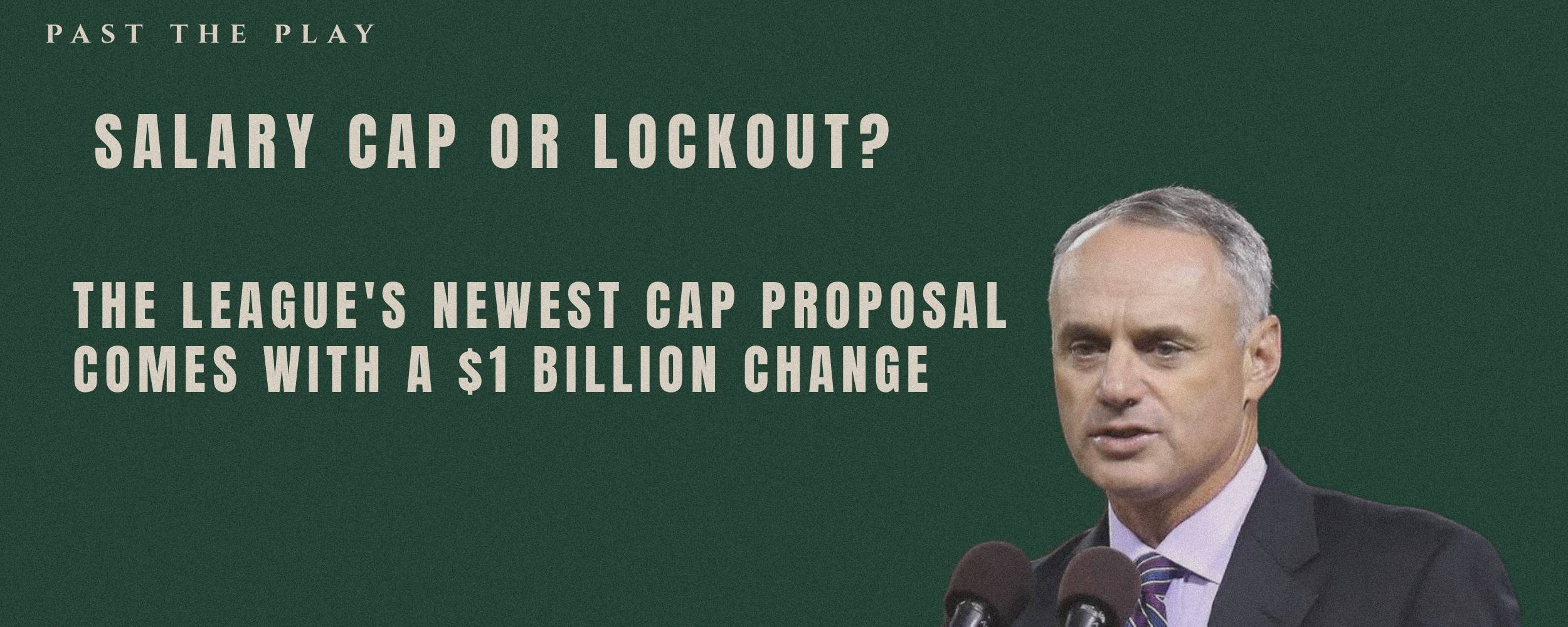
On Tuesday, MLB proposed introducing a hard salary cap of $258.2 million and a spending floor of $180.2 million beginning in 2028. The figures would be calculated using the average annual value of contracts for luxury-tax payroll purposes, rather than simply adding up what players are paid in a particular season.
Under the proposal, clubs would operate within a $78-million range once the system was fully implemented.
That's a fairly narrow window for a league where payroll differences have become one of the most frequently debated issues in professional sports.
According to MLB's own calculations, eight teams would need to reduce their current payroll commitments by a combined $528 million to comply with the proposed cap. That group includes the Los Angeles Dodgers, New York Mets, New York Yankees, Boston Red Sox, Chicago Cubs, Philadelphia Phillies, San Diego Padres and Toronto Blue Jays.
On the other side, 12 teams would need to increase spending by a combined $636 million to reach the proposed floor.
The Athletics, Chicago White Sox, Cincinnati Reds, Cleveland Guardians, Colorado Rockies, Miami Marlins, Milwaukee Brewers, Minnesota Twins, Pittsburgh Pirates, St. Louis Cardinals, Tampa Bay Rays and Washington Nationals make up that group.
Put those lists together and 20 of the league's 30 teams would face some form of payroll adjustment based on the figures MLB used to construct its proposal.
And there's an interesting detail in the totals.
The required spending increases would exceed the proposed reductions by $108 million. That's not proof the system would increase league-wide player compensation by that amount, since contracts, payroll calculations and implementation rules would change before 2028. But it complicates the idea that every salary-cap proposal is simply about forcing the wealthiest teams to spend less.
The owners are proposing to make a considerable number of smaller-payroll clubs spend more, too.
There's a substantial difference between proposing that system and actually implementing it, however.
The MLB Players Association has rejected the idea of a salary cap, arguing that the owners' proposal would restrict the market and undermine the guarantees players currently receive in their contracts. The union has also objected to an escrow mechanism that could require salary money to be returned if player compensation exceeded an agreed share of league revenue.
Owners have argued that a cap and floor would improve competitive balance and give more teams an opportunity to retain their best players.
Neither side has agreed to the proposed framework, and the numbers being discussed are not rules that teams must follow this winter.
That's where free agency becomes particularly interesting.
MLB's latest proposal would keep the existing luxury-tax system in place for 2027 before introducing the cap and floor in 2028. Teams therefore have an opportunity to negotiate contracts under the current rules while knowing those commitments could extend well into a substantially different economic system.
There are two obvious approaches.
A club could decide to wait until the negotiations are settled before making expensive long-term commitments, especially if its payroll is already near the level of the proposed cap.
Or it could take advantage of the freedom it currently has, sign the players it wants and worry about adjusting to whatever agreement eventually emerges.
The second approach might sound reckless, but baseball has already seen what happens when a collective bargaining deadline starts influencing the free-agent market.
In November 2021, teams committed approximately $1.7 billion to free-agent contracts before the previous agreement expired, according to CBS Sports' accounting of standard major-league free-agent deals.
The Rangers alone were responsible for more than $560 million of that total, signing Corey Seager, Marcus Semien and Jon Gray. That's nearly one-third of the entire November figure committed by a single organization.
Two years later, Texas won the first World Series championship in franchise history with Seager and Semien playing major roles.
That doesn't mean spending hundreds of millions of dollars before a lockout guarantees anything. It does show how a team willing to make aggressive commitments while others are uncertain can dramatically reshape its roster.
And even that $1.7-billion figure requires context. MLB has cited approximately $1.9 billion in November 2021 free-agent spending using its broader accounting. Either way, it was a record-setting month, and the spending was heavily influenced by teams determined to complete business before a shutdown.
The 2026 market has its own complications.
Skubal could reset the pitching market, with the Dodgers, Mets and Cubs among the reported suitors. His next contract will help establish what other starting pitchers can reasonably expect, and teams that miss out may have limited time to find alternatives before December.
There are also three highly regarded Japanese players trying to make the move to MLB.
Teruaki Sato, Kaima Taira and Hiromi Itoh entered the posting system on November 1. Players posted from Japan ordinarily have 45 days to negotiate with major-league clubs, but a lockout could interrupt that process. The precise treatment of their remaining negotiating windows would depend on the arrangements governing the shutdown.
For an established major-league veteran, waiting until March to sign might be frustrating. For a player trying to arrange an international move, the uncertainty introduces another layer of difficulty.
Then there's the possibility that none of this produces the expected spending frenzy.
The players and owners could make progress toward a new agreement. Teams could prove reluctant to assume long-term financial obligations. Agents could decide they're better off waiting for the largest possible market rather than accepting an early offer.
There are good reasons for every one of those outcomes.
What makes this offseason unusual is that baseball is attempting to negotiate a new economic structure at the same time its wealthiest teams are competing to sign some of the most expensive players available.
The owners want a system in which 20 teams would have to adjust their payrolls, according to their own estimates. The players want to preserve the freedom to negotiate contracts without a hard cap, and neither side has agreed on what baseball's finances should look like two years from now.
Meanwhile, Skubal and more than 140 other free agents are trying to find jobs.
December 1 is approaching rather quickly.